José de San Juan (1687-1735)
Oratorium für Maria Magdalena
October 29th | 19:30
PAULUSKIRCHE, BASEL
October 30th | 19:30
JOHANNESKIRCHE, ZURICH
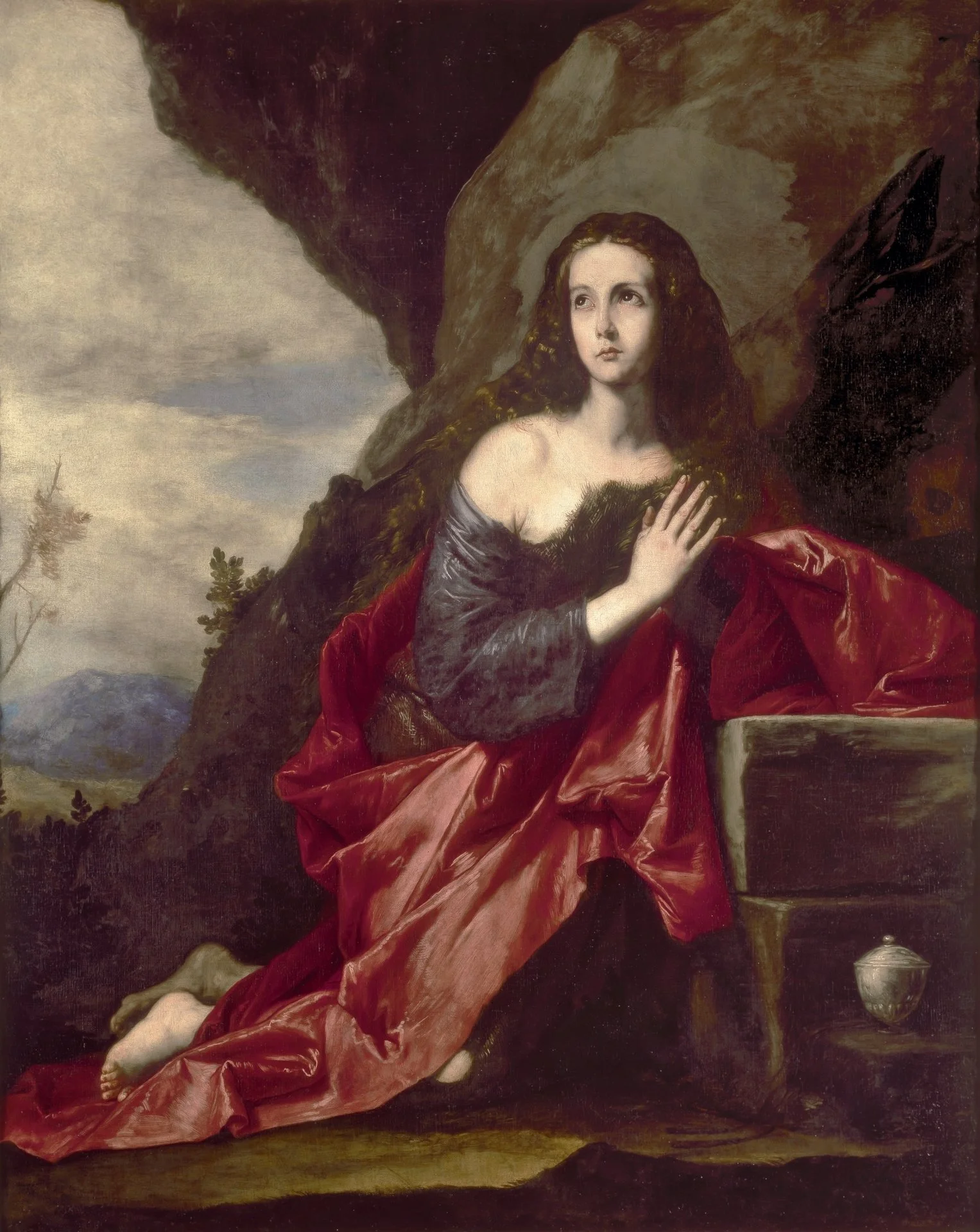
The oratorio Afectos de un alma reconocida al beneficio de su justificación, dedicated to Mary Magdalene, belongs to a collection of seven oratorios—some of them preserved only incompletely—held in the archive of the Congregación de San Felipe Neri (Palma de Mallorca). Composed between 1703 and 1727, these works represent the oldest surviving examples of Spanish-language oratorios known today.
All of these oratorios share common features: they are divided into two parts, have a total duration of approximately 60 to 90 minutes, and employ a small vocal and instrumental ensemble. These characteristics are determined by their specific performance context. Although the copies preserved in Palma de Mallorca originate from Valencia, where the works had already been performed, some of these oratorios were originally composed for other institutions. This is probably also the case for the oratorio in honor of Saint Mary Magdalene, written in Madrid by José de San Juan (1687–1735), possibly for the now-vanished Convent of Santa María Magdalena de la Penitencia, also known as the convent of the recogidas or arrepentidas, an institution devoted to the reintegration of former prostitutes.
-
The oratorio in honor of Saint Mary Magdalene is the only oratorio by José de San Juan that has survived in its entirety. It was probably composed between 1711 and 1715 in Madrid, to a libretto by an unknown author. In 1715, it was performed at the Oratorio de San Felipe Neri and was later staged several times in Palma de Mallorca, most recently in 1749.
The oratorio depicts several episodes from the life of Mary Magdalene before the Passion of Christ. In each of these episodes, the figure of Temptation appears, presenting arguments intended to divert Mary from the path of virtue, while the figures of Divine Light and the Angel refute these objections, enabling Mary Magdalene to successfully complete the path of holiness she has undertaken.
-
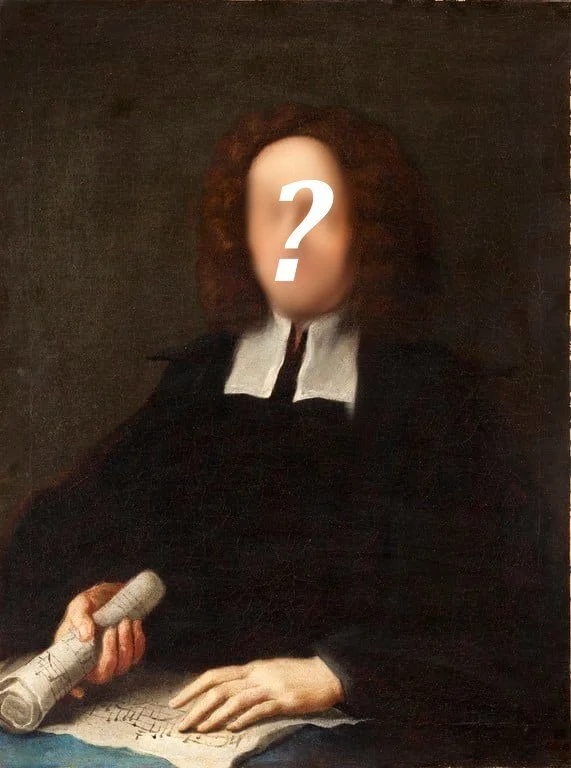
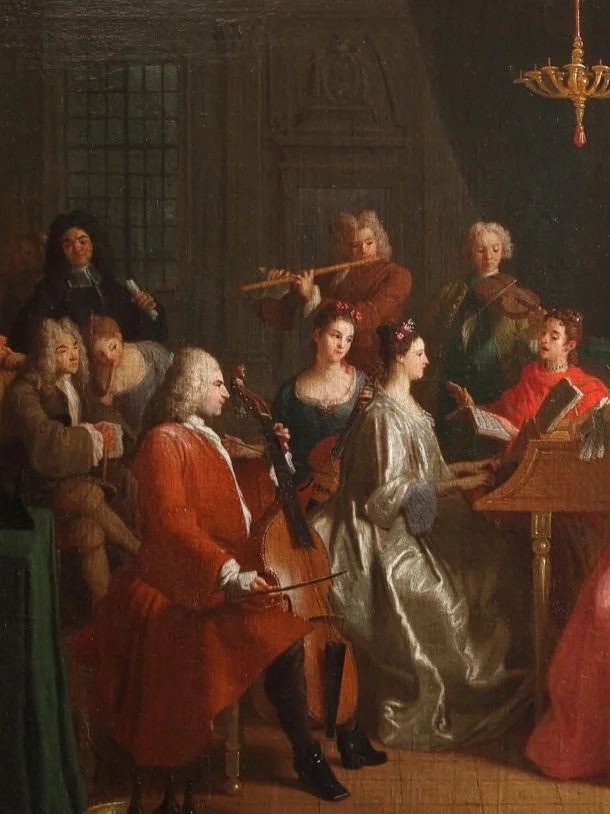
José de San Juan (1687-1735) held the position of Maestro de Capilla at the Monasterio de las Descalzas Reales from 1711 until his death, one of the most prestigious appointments in Madrid at the time. Previously, he had held the same position at the Sigüenza Cathedral, where he had already been trained as a choirboy and to which he returned after an initial period of training in Madrid. Although a significant portion of his output—including several stage works—has been lost, numerous sacred compositions by José de San Juan, both in Latin and in the vernacular, survive in Spanish and American archives.
-
Singers
Victoria Cassano, Soprano I
Carmen Callejas, Soprano II
Daniel Folqué, Alto
Martí Doñate, TenorInstrumentalists
Soko Yoshida, Violin I
Marguerite Wassermann, Violin II
Carlos Leal Cardín, Cello
Maria Bayley, Harp
Halldór Bjarki Arnarson, Organ
with the kind support of